
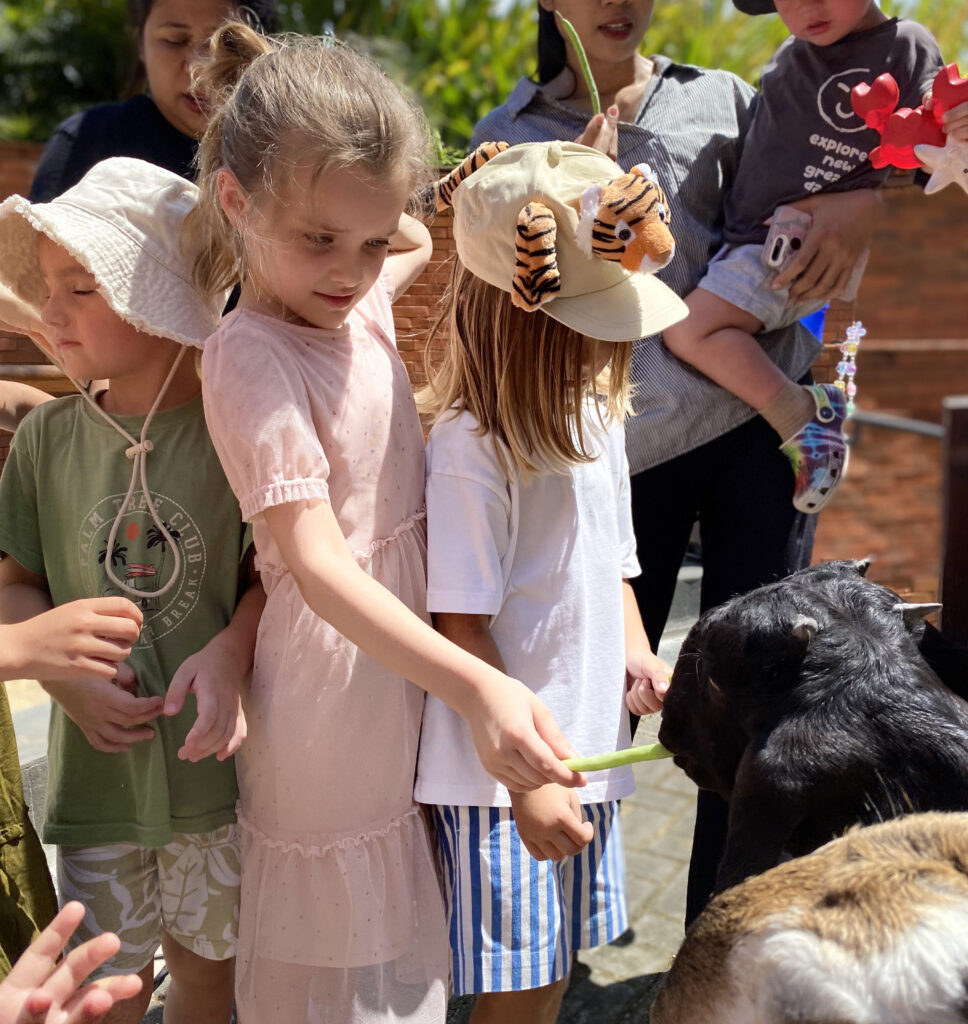
In the modern educational landscape, the classroom is often defined by four walls, digital screens, and ergonomic desks. While technology and structured environments have their place, a growing body of research suggests that one of the most powerful “classrooms” is actually found outdoors. For the Mama Kid Club community, where we operate as a dedicated daycare and early childhood learning center, we prioritize holistic growth and meaningful development. Understanding the value of the natural world is essential to our mission. Nature is not just a backdrop for recess; it is a core component of a daycare curriculum that nurtures the mind, the body, and the spirit of every child in our care.
Integrating nature into daycare routines addresses a fundamental human need for connection with the living world. This approach, often referred to as nature-based learning or forest schooling, shifts the focus from passive consumption of information to active discovery. By stepping outside, toddlers and young children engage in a type of learning that is sensory, dynamic, and deeply memorable. Mama Kid Club encourages parents to see every park, garden, and beach as a potential space for profound developmental breakthroughs during these formative early years.
Cognitive Clarity and Restorative Learning
One of the most immediate benefits of nature in early education is its impact on cognitive function. Even at a daycare age, children can face “directed attention fatigue” from highly structured indoor activities or digital stimuli. Nature provides the perfect antidote through a concept known as Attention Restoration Theory.
Unlike the flickering lights of a computer screen or the loud noises of a city, nature provides “soft fascinations.” The movement of clouds, the patterns on a leaf, or the sound of a distant stream capture attention without demanding exhausting effort. This allows a child’s brain to rest and recharge its cognitive batteries. Studies have shown that after spending time in natural settings, children exhibit improved focus and a greater capacity for creative problem solving. When we make nature a core part of our daycare process, we are essentially optimizing the young brain for the learning milestones that follow.
Physical Health and Sensory Integration
Daycare is not just a place for supervision; it is a space for physical empowerment. Interacting with nature requires movement that is varied and unpredictable. In a standard playroom, surfaces are flat and predictable. In nature, a child must navigate uneven terrain, climb low branches, and balance on stones.
This variety of movement develops gross motor skills and proprioception in ways that indoor play cannot replicate. Furthermore, nature is the ultimate multisensory environment. Our children are not just looking at colors; they are smelling the damp earth after rain, feeling the rough bark of an oak tree, and hearing the specific calls of local bird species. This sensory richness builds stronger neural pathways and helps children with sensory processing needs to find a natural rhythm and balance. Mama Kid Club often highlights that these “messy” outdoor moments are where the most significant physical milestones often occur.
Emotional Resilience and Stress Reduction
The emotional well-being of our little ones is a primary concern for both educators and parents. Nature has been scientifically proven to lower cortisol levels and reduce symptoms of anxiety even in very young children. For many daycare students, the natural world serves as a “therapeutic space” where they can explore without the constraints of indoor rules.
Interacting with nature also teaches resilience through “managed risk.” When a child tries to build a small structure from sticks or navigate a garden path, they encounter small failures and obstacles. Overcoming these natural challenges builds a sense of self-efficacy and grit. They learn that they can handle discomfort and solve problems independently. This emotional strength translates directly back into the daycare environment, where children become more confident in social interactions and persistent through new learning challenges.
Environmental Stewardship and Global Citizenship
We cannot expect the next generation to protect a world they do not know or love. By making nature a core part of the daycare experience, we foster a deep, personal connection to the environment from the very beginning. This is the foundation of environmental stewardship.
When children observe the life cycle of a butterfly in our garden or participate in planting seeds, they move from abstract knowledge to empathy. They begin to understand the interconnectedness of ecosystems and their own place within that web. This “ecological literacy” is essential for modern global citizenship. It transforms environmental science from a series of facts into a lifelong commitment to sustainability. At Mama Kid Club, we believe that raising environmentally conscious children is one of the greatest gifts we can give to the future of Indonesia.
Social Development and Collaborative Learning
Outdoor learning environments often break down the social barriers sometimes found in traditional indoor settings. In nature, the child who might be quiet during story time may be the one who knows how to spot a grasshopper or lead a “nature walk.” This allows different children to step into leadership roles early on.
Nature-based activities are frequently collaborative. Working together to move a heavy branch or identifying different colored flowers requires communication and teamwork. These “soft skills” are best developed in fluid environments where children must work together to achieve a common goal. By stepping outside, our daycare students learn to see one another’s strengths in a new light, fostering a more inclusive and supportive peer culture.
Conclusion
Interacting with nature is not a luxury or an extracurricular “add-on” to a daycare schedule. It is a vital necessity for the healthy development of every child. By integrating the natural world into the core of our educational process at Mama Kid Club, we provide our students with the tools they need to be focused, healthy, resilient, and compassionate.
Mama Kid Club is more than just a place of care; we are dedicated to supporting parents as they navigate these vital educational journeys. Whether we are exploring a local botanical garden or simply observing insects in our own backyard, we are participating in a fundamental form of education. The goal of early childhood development is to prepare individuals for the complexities of life. There is no better teacher for this than the natural world itself, with its endless cycles of growth, its resilience in the face of change, and its profound, quiet wisdom. When we open the door to the outside, we open the minds of our children to a world of infinite possibility.